How to Protect Your Vehicle from Costly Rust Damage
Table of Contents
- Rust Never Sleeps: Why Rust Mitigation Is One of the Smartest Investments You Can Make for Your Vehicle
- Why Rust Is More Than Just a Cosmetic Problem
- The Hidden Cost of Ignoring Rust
- What Is Rust Mitigation?
- Why Waxoyl Protection Matters
- Rust Prevention Is Easier Than Rust Repair
- Where Rust Usually Starts
- From Rust Repair to Complete Restoration
- Protecting Your Vehicle's Resale Value
- The Bottom Line
- Frequently Asked Questions
Rust Never Sleeps: Why Rust Mitigation Is One of the Smartest Investments You Can Make for Your Vehicle
If you live in New England, rust isn't a question of if it will affect your vehicle. It's a question of when. Between harsh winters, road salt, moisture, and changing temperatures, even well-maintained vehicles can develop corrosion that slowly attacks their appearance, value, and structural integrity. AlphaCars offers specialized rust mitigation, repair, and preventive treatments designed to help vehicle owners stay ahead of the problem before it turns into a costly repair.
Why Rust Is More Than Just a Cosmetic Problem
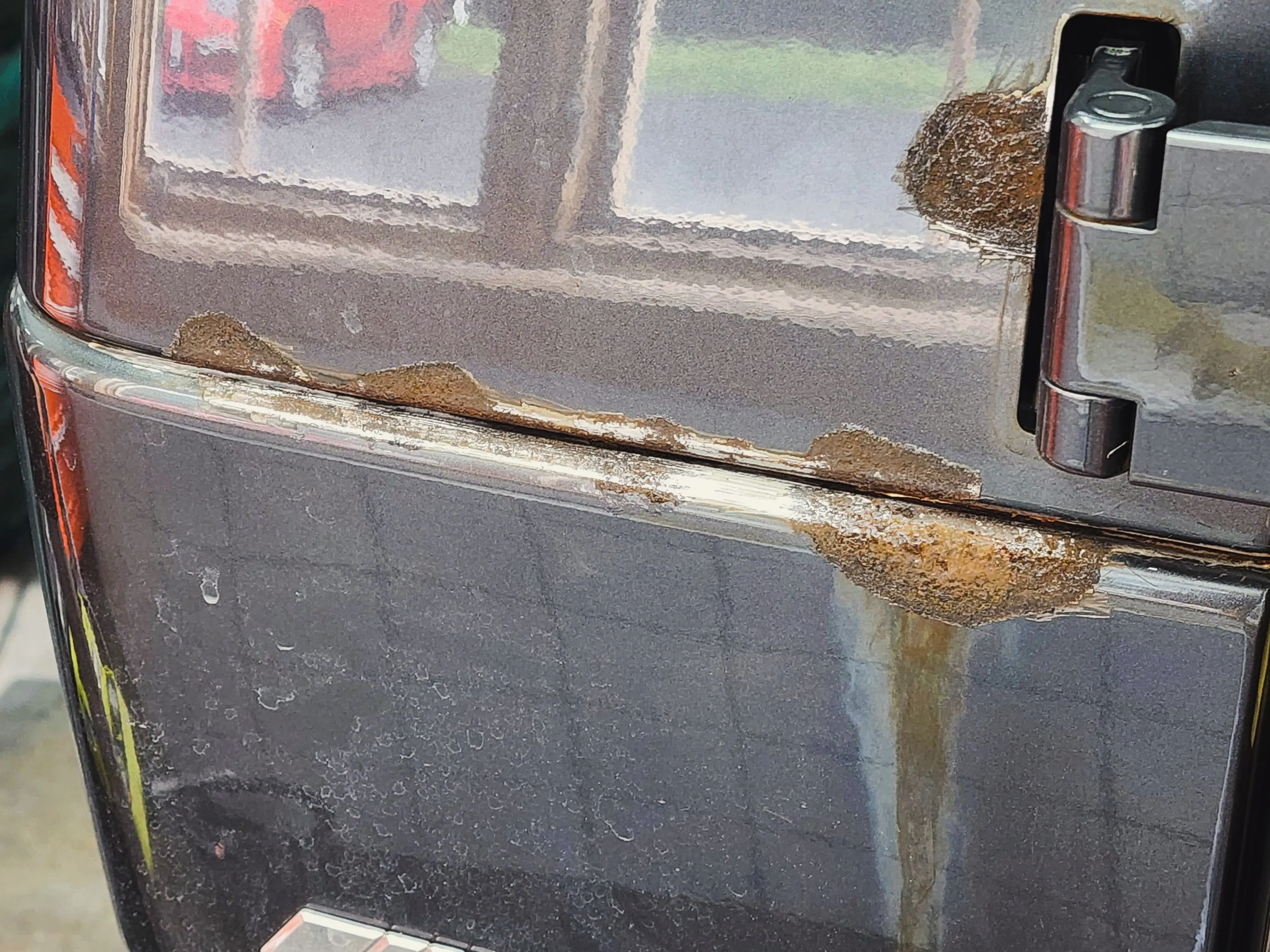
Many drivers first notice rust as a small bubble in the paint or a minor discoloration on the undercarriage. What often goes unseen is the corrosion spreading beneath the surface.
Over time, rust can affect:
- Frame components
- Suspension parts
- Brake lines
- Rocker panels
- Door skins
- Quarter panels
- Floor pans
- Structural supports
Once corrosion begins, it can accelerate quickly, especially in regions where road salt is heavily used during winter months. According to AlphaCars, aggressive road treatments and harsh seasonal conditions make rust prevention an essential part of long-term vehicle ownership.
The Hidden Cost of Ignoring Rust
Many vehicle owners don't think about rust until it becomes visible. Unfortunately, by that point, repairs are often significantly more expensive.
Unchecked corrosion can lead to:
- Costly body repairs
- Reduced resale value
- Premature component failure
- Safety concerns
- Structural deterioration
- Failed vehicle inspections in severe cases
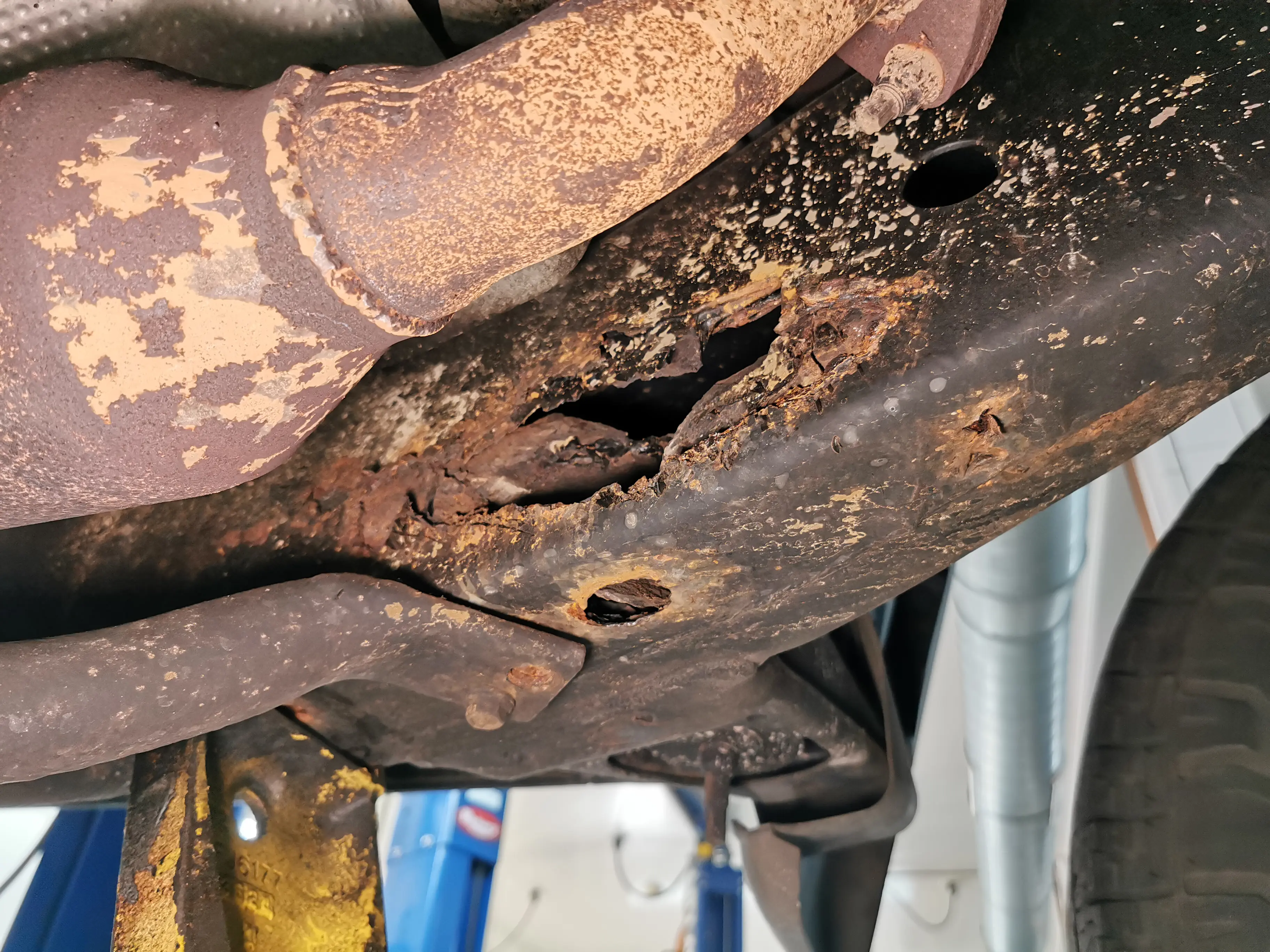
A vehicle that looks clean on the outside may already have corrosion forming inside hidden cavities where moisture becomes trapped. That's why addressing rust early is almost always more affordable than waiting until repairs become necessary.
What Is Rust Mitigation?
Rust mitigation focuses on slowing or stopping the progression of existing rust before severe damage occurs.
AlphaCars customizes each rust mitigation treatment based on the vehicle's condition, owner expectations, and budget. The process begins by removing the majority of surface corrosion using specialized equipment that exposes the underlying metal. For customers seeking maximum protection, a chemical rust treatment can be applied to neutralize remaining corrosion and reduce its continued effects.
After treatment, Waxoyl rust-prevention products are applied to help stop existing rust from spreading while creating a protective barrier against future corrosion. This approach helps extend the lifespan of underbody components and body panels while preserving the vehicle's long-term condition.
Why Waxoyl Protection Matters
One of the key components of AlphaCars' rust protection strategy is the use of Waxoyl, a trusted rust preventative product designed to shield vulnerable surfaces from moisture and contaminants.
Waxoyl works by creating a protective coating that helps prevent:
- Moisture intrusion
- Salt exposure
- Oxidation
- Corrosion growth
- Formation of new rust areas
By protecting both exposed and hidden surfaces, Waxoyl can significantly improve the longevity of vehicles regularly exposed to difficult weather conditions.
Rust Prevention Is Easier Than Rust Repair
The best rust repair is preventing rust from forming in the first place.
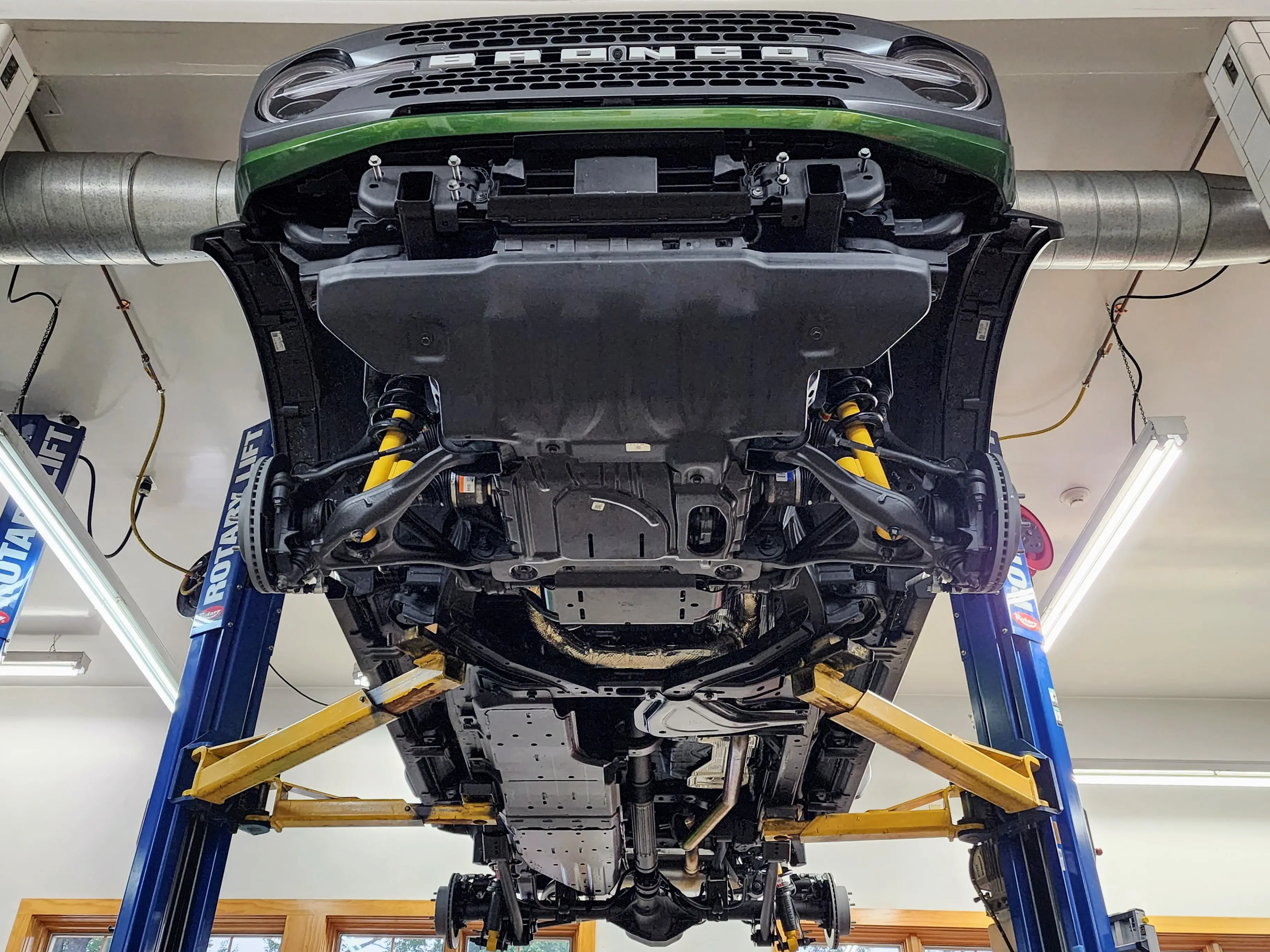
AlphaCars offers dedicated Rust Preventive Treatments designed specifically for new vehicles and well-preserved vehicles that show little or no corrosion. These treatments focus on protecting vulnerable areas before damage can begin.
The process includes applying Waxoyl protection throughout the underbody, helping shield critical surfaces from road salt, water, slush, and environmental contaminants.
For even greater protection, specialized application tools can reach enclosed cavities that are often impossible to access through conventional methods.
These hidden areas include:
- Frame members
- Rocker panels
- Quarter panels
- Unibody cavities
- Door skins
This additional step is highly recommended because rust frequently begins inside these enclosed spaces before becoming visible on exterior panels.
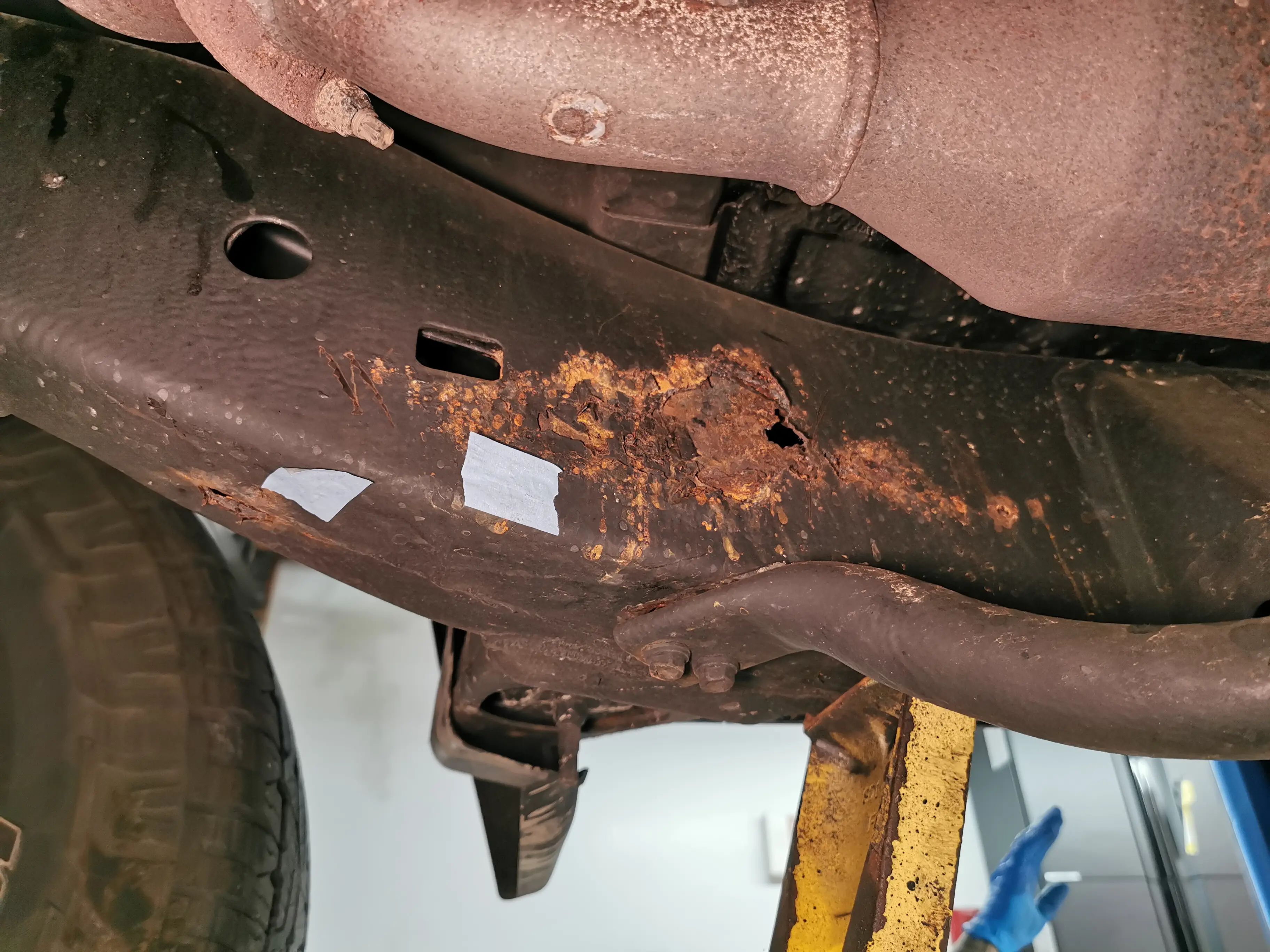
Where Rust Usually Starts
Many people assume rust begins on exposed metal surfaces. In reality, some of the most damaging corrosion develops where it cannot easily be seen.
Common rust-prone areas include:
Inside Rocker Panels
Frame Rails and Crossmembers
Wheel Wells
Door Cavities
Quarter Panels
From Rust Repair to Complete Restoration
For vehicles already suffering from significant corrosion, AlphaCars provides comprehensive rust repair, fabrication, and cosmetic refinishing services. Their specialists handle everything from minor cosmetic imperfections to severe structural rust damage.
The goal isn't simply fixing visible rust. The focus is creating a factory-level appearance while adding protection that often exceeds original factory corrosion protection standards.
With more than 25 years of expertise in detailing, bodywork, paint correction, fabrication, and rust repair, AlphaCars has developed solutions for vehicles ranging from daily drivers to collectible automobiles.
Protecting Your Vehicle's Resale Value
One of the most overlooked benefits of rust prevention is preserving resale value.
Potential buyers and appraisers often pay close attention to:
- Frame condition
- Undercarriage health
- Structural integrity
- Paint quality
- Body panel condition
A rust-free vehicle typically commands stronger resale value and attracts more serious buyers than one showing signs of corrosion.
By investing in preventive protection early, vehicle owners can often avoid major restoration expenses while maintaining their vehicle's appearance and market value for years to come.
The Bottom Line
Rust is one of the few automotive problems that never gets better on its own. Left untreated, it spreads. Left unchecked, it becomes expensive.
Whether you own a brand-new vehicle, a cherished weekend car, a luxury SUV, a pickup truck, or a classic collector vehicle, rust mitigation and preventive treatment can help extend its lifespan, preserve its appearance, protect its structural integrity, and maximize its long-term value. AlphaCars' tailored rust mitigation, repair, and preventive services provide vehicle owners with a proactive strategy to defend against one of New England's most persistent automotive threats.
Frequently Asked Questions
What causes rust on a vehicle?
Why is road salt so damaging to vehicles?
Which parts of a vehicle are most susceptible to rust?
How can I prevent rust from forming on my vehicle?
Is rust-proofing worth the investment?
How often should I wash my vehicle during winter?
Can rust spread once it starts?
What's the difference between surface rust and structural rust?
Are newer vehicles resistant to rust?
Does rust affect a vehicle's resale value?
What are the warning signs of hidden rust?
How can AlphaCars help protect my vehicle from rust?
Is rust prevention only important for older vehicles?